Judge approves $7.25 billion Roundup cancer settlement
Bayer agreed to pay thousands of people with non-Hodgkin lymphoma, capping a legal battle that spanned more than a decade.
By Mason Reed ·
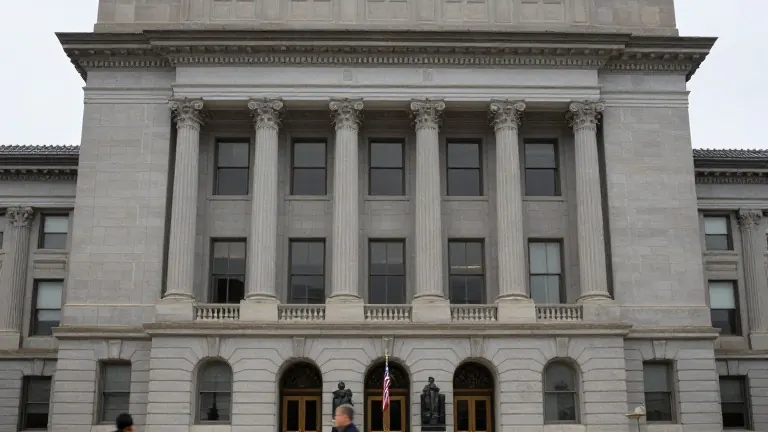
A Missouri judge granted final approval on Friday to a nationwide settlement that will require Bayer to pay up to $7.25 billion to individuals alleging the herbicide Roundup caused their cancer.
The agreement resolves claims from thousands of plaintiffs diagnosed with non-Hodgkin lymphoma, a blood cancer they linked to glyphosate, the primary ingredient in the weed-killer. The compensation varies based on specific exposure levels, age at diagnosis, and other factors, with individual payouts ranging from $10,000 to $165,000.
Bayer, the German agrochemical and biotech company that acquired Monsanto, has faced litigation over the product for years. The settlement marks a new financial obligation beyond a previous deal where Bayer agreed to pay between $10 billion and $11 billion to settle more than 100,000 related claims.
Bill Anderson, the CEO of Bayer, described the final approval as a decisive milestone. In a statement, he said the settlement will mitigate the risks associated with pending and future litigation involving the chemical.
Timothy Boyer, the presiding judge in the circuit court case, called the agreement one of the largest mass tort personal-injury class action settlements in history. He noted the scale of the compensation package relative to the number of claimants involved.
The legal backdrop shifted earlier this year when the U.S. Supreme Court ruled in favor of Bayer. The court found the company could be shielded from certain state court lawsuits alleging it failed to warn consumers about the cancer-causing potential of glyphosate. The Trump administration had sided with Bayer in that case and issued an executive order to promote domestic production of the herbicide.
Christopher Seeger, the attorney representing the plaintiffs, stated that the final approval order provides guaranteed compensation to victims who waited more than a decade for a resolution. The World Health Organization's cancer agency concluded more than a decade ago that glyphosate is probably carcinogenic to humans, a view echoed by some environmental health scientists. The Environmental Protection Agency maintains it did not identify risks of concern from glyphosate uses, though it is currently reviewing the evidence after pressure from advocates.
More News · Baltimore news · Report a business · Got a Story?