U.N. Nations Agree to Extend AI Weapons Talks to 2028
Diplomats in Geneva settled on a two-year extension rather than binding rules for lethal autonomous systems.
By Kavya Sharma ·
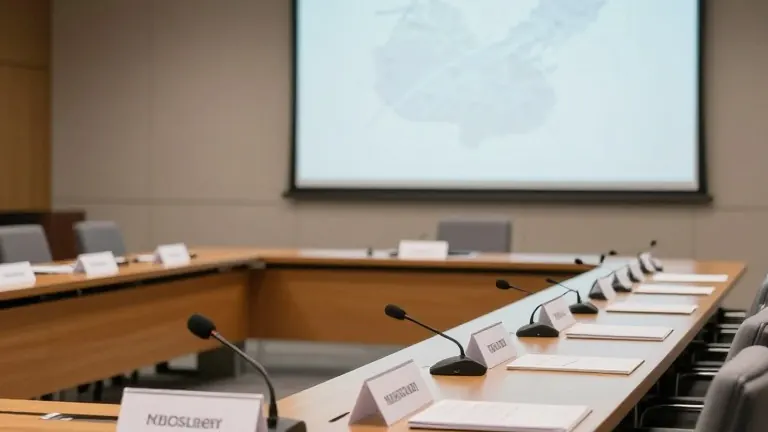
Delegates from dozens of nations agreed Saturday to keep discussing rules for artificial intelligence powered robots and drones through 2028. The group met in Geneva for a week to negotiate standards for these lethal autonomous weapon systems. They chose to elaborate on a possible accord instead of creating binding laws.
United Nations Secretary General Antonio Guterres had pushed for a legally binding deal by the end of this year. He leaves office at the end of 2026. The final text did not include the strict language he sought. Many countries and activist groups wanted the agreement to limit how machines kill without human control.
Izumi Nakamitsu, the U.N. high representative for disarmament affairs, described the outcome as a significant achievement. She acknowledged that the result left some people feeling the deal was incomplete. She called for countries to begin work as early as Monday. She urged states to think about how to get the strongest possible instrument to prohibit and regulate these weapons.
Activists criticized the outcome as a watered down mandate. Beatrice Fihn, founder of the international law advocacy group Lex International, said the decision pushed the issue down the road for two more years. She argued that the agreement failed to stop the technology from advancing faster than diplomacy.
Seven countries proposed launching negotiations on a new rulebook before the meeting started. Those nations included Brazil, Austria, Belgium, Ireland, Mexico, New Zealand, and Panama. Ambassador Frederico Meyer of Brazil said diplomats are very slow. He noted that technology is moving faster than the diplomatic process.
Russia and the United States are major developers of AI weapons. Advocacy groups said these powers blocked stronger language in the final agreement. They want a freer hand to develop high tech weapons. The talks centered on the Convention on Certain Conventional Weapons, which 128 countries have ratified. Decisions under this treaty require consensus, meaning any single country can block an agreement.
The International Committee of the Red Cross stated that autonomous weapons can be unpredictable. It said this is different from a bullet fired from a gun, which has a distinct and predictable trajectory. The organization urged states to ensure humans retain control over the use of force. It said life and death decisions should never be handed over to machines.
Max Tegmark, a machine learning specialist at the Massachusetts Institute of Technology, said states have agreed to just talk about the issue for the 14th year. He noted that these weapons enable atrocities while discussions continue. Pope Leo XIV and humanitarian groups have framed the issue as an existential debate. They have urged quick action to rein in AI weapons before they become too commonplace to regulate easily.
More News · Baltimore news · Report a business · Got a Story?