
Judge clears $7.25 billion Roundup cancer settlement
Bayer will pay over two decades to resolve thousands of claims that its weedkiller caused lymphoma.
By Louis Bennett ·
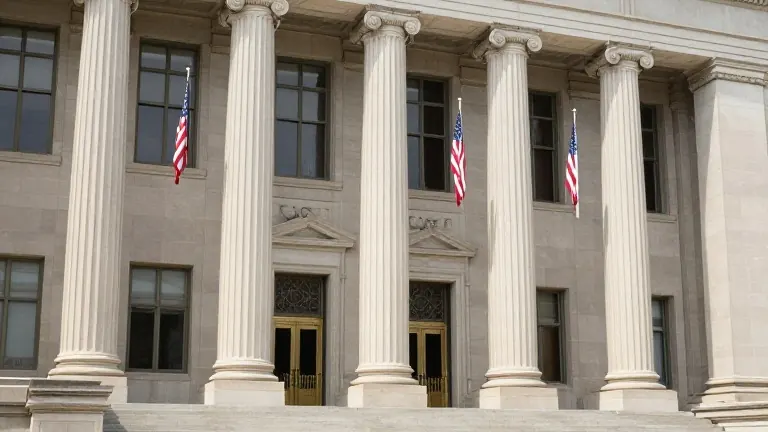
St. Louis Circuit Judge Timothy Boyer approved a $7.25 billion settlement on Friday. The agreement resolves thousands of lawsuits filed by cancer patients who used Bayer’s Roundup weedkiller. The judge’s written decision grants final approval to the deal.
Monsanto introduced Roundup in 1974 with glyphosate as the active ingredient. The product became one of the most widely used herbicides in agriculture. Farmers applied it alongside genetically modified seeds that resist the chemical. This practice allowed them to produce more crops while tilling the soil less. The weedkiller also became common on residential lawns and gardens.
Bayer acquired Monsanto in 2018. The purchase brought with it a growing number of lawsuits alleging that glyphosate causes non-Hodgkin lymphoma. About 200,000 Roundup-related claims have been filed against Bayer. Many claimants used the product on their homes and gardens. Bayer has since removed glyphosate from new versions of Roundup sold for residential markets.
The World Health Organization’s International Agency for Research on Cancer classified the chemical as probably carcinogenic in 2015. The U.S. Environmental Protection Agency determined it is not likely to cause cancer in humans when used as directed. The scientific debate remains a central point of dispute in the litigation.
The settlement covers both current Roundup users who are ill and those diagnosed with non-Hodgkin lymphoma in the future. Individual payouts will average between $10,000 and $165,000. The final amount depends on how the person used the product, their age at diagnosis, and the severity of their illness.
The U.S. Supreme Court ruled in June that Bayer cannot be sued in state courts for failing to warn about cancer. The high court decided that federal regulations do not require a cancer warning label. States are forbidden from imposing additional labeling requirements. This ruling undercut a central argument in the Roundup lawsuits while the settlement was pending.
Bayer CEO Bill Anderson called the court-approved settlement a decisive milestone in the company’s strategy. He stated the move helps mitigate the risks of pending and future Roundup litigation. Bayer denies that Roundup causes cancer. The settlement provides financial certainty against mounting litigation costs that had led the company to contemplate pulling the product from U.S. agricultural markets.
Judge Boyer wrote that the average individual payouts are fair and adequate. He noted the total dollar amount is among the largest in the history of mass tort personal-injury class action settlements. The decision could be appealed. A Missouri jury sided with Bayer in October on a case alleging design defects, negligence, and fraud. That verdict was the first since the Supreme Court’s precedent-setting ruling.
More News · Baltimore news · Report a business · Got a Story?