Texas Supreme Court case could block Fort Worth Democrat from taking House seat
Governor Greg Abbott has withheld certification of the special election results pending a legal ruling on candidate Ericka Lomick's felony record.
By Kavya Sharma ·
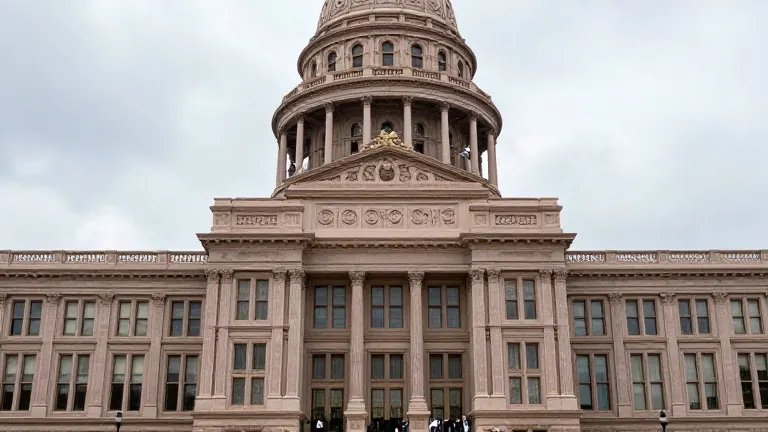
A legal challenge filed with the Texas Supreme Court aims to prevent Ericka Lomick from taking office as a state representative. The case centers on whether her felony conviction disqualifies her from holding public office under state law. Lomick won a seat in the Texas House of Representatives in a race centered around Fort Worth.
On Monday, Governor Greg Abbott declined to certify the results of the special election. His spokesman, Andrew Mahaleris, stated that the governor will wait for guidance from the court. This decision leaves Lomick in a holding pattern before her term begins.
Lomick won two separate elections on November 3. She secured a two-year term as state representative starting in January. She also won a special election to serve the remainder of the current term, which ends this year. Both votes were held simultaneously on Election Day.
Alan Blaylock is Lomick's Republican opponent. Lawyers for Blaylock filed a petition with the state's highest court. They argue that Texas election law bars individuals with felony convictions from serving in public office. The law allows exceptions only if the person has been pardoned or otherwise released from the resulting disabilities.
Court records attached to the petition detail Lomick's criminal history. In 2011, while living in North Carolina under a different last name, she pleaded guilty in federal court. The charges included mortgage fraud conspiracy, bank fraud, and conspiracy to commit money laundering.
Kendall Scudder, the chair of the Texas Democratic Party, addressed the eligibility issue in a Wednesday interview. She said Lomick met the legal criteria to serve. Scudder described Lomick as absolutely eligible and ready to serve the district.
The situation is complicated by Lomick's prior campaign activity. She previously suspended her campaign amid questions about her eligibility to run. Despite this pause, she remained on the ballot and emerged as the winner in a district that historically votes Republican.
The race resulted in a victory for a Democrat in a deep red area. This outcome fits a pattern seen in recent elections across the country. Republicans in the district are now using the legal process to contest the result before Lomick is formally sworn in.
The Texas Supreme Court must now rule on whether Lomick's 2011 conviction still affects her ability to hold office. The court will determine if she has been sufficiently released from the disabilities of her conviction. The decision will impact both her current special term and her upcoming two-year term.
Lomick has not taken office as of this week. The legal dispute continues to define the start of her political tenure. The court's ruling will set the precedent for how Texas handles candidates with prior felony convictions in future elections.
More Politics · Baltimore news · Report a business · Got a Story?