Maryland ER admissions peak Oct-Dec, study shows
Data from 2023 to 2025 reveals holiday stressors drive emergency room visits, with food safety and alcohol consumption rising in recent years.
By Louis Bennett ·
Emergency room admissions in Maryland reach their highest point between October and December, a new analysis of hospital data indicates. The study covers records from 2023 through 2025, which are the most recent post-pandemic figures available.
The holiday surge is driven by a mix of minor injuries, overindulgence, and seasonal illnesses. Cuts from kitchen prep, sprains from informal sports games, and digestive issues from heavy meals all contribute to the load on hospital staff. The flu also circulates rapidly during large family gatherings.
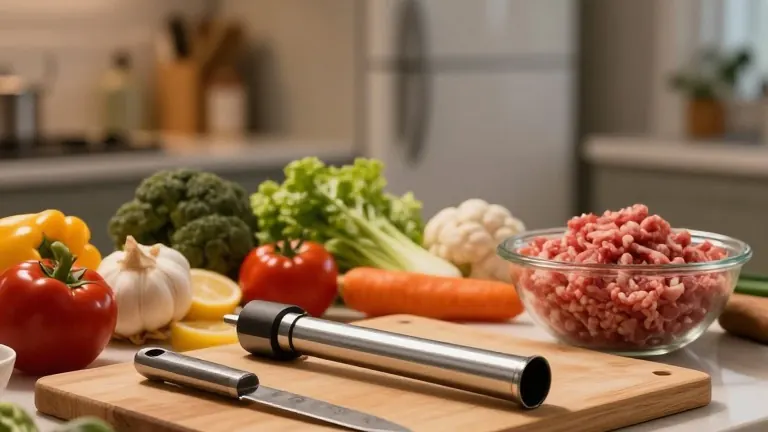
Dr. Cheyenne Falat, an emergency physician at the University of Maryland Medical Center, has worked Thanksgiving shifts for ten years. She advises patients to stick to familiar routines and avoid pushing their limits. “Everything in moderation,” Falat said. She specifically warned against trying new intense exercises or acting overly confident with sharp kitchen tools. “Don’t act like you’re a ninja with superstar knife skills in the kitchen,” she added. Overloading on food and alcohol is particularly risky for those with underlying medical conditions.
Foodborne illness visits to the ER increased in the most recent year for which data exists, surpassing previous holiday seasons. Alcohol-related visits also climbed, aligning with the high rate of drunk-driving arrests during Thanksgiving week. Federal resources for food inspection have decreased since these records were compiled, according to the analysis. The U.S. Food and Drug Administration has opened nearly a dozen investigations into contaminants in raw milk, chicken, and sprouts since July.
David Love, a professor in the Department of Environmental Health and Engineering at Johns Hopkins University, emphasized basic hygiene as the primary defense. “Keep a clean kitchen, wash your hands before you prepare foods, sanitize surfaces and clean up after yourself,” Love said. He noted that anyone who has had a stomach virus in the past week should avoid cooking for others to prevent spread.
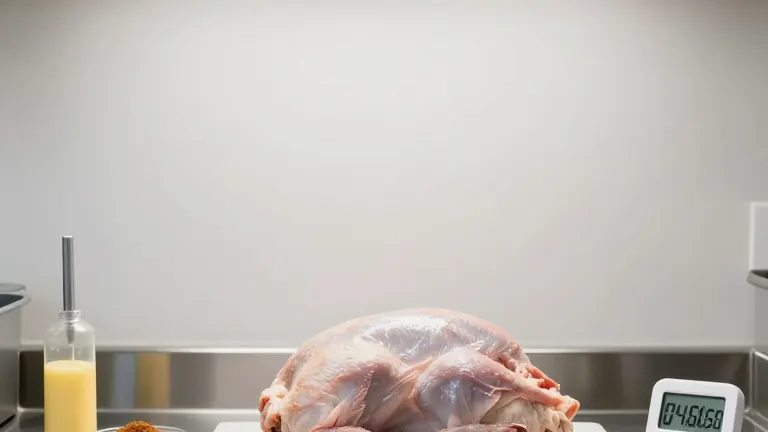
Specific cooking practices can prevent bacterial growth. Meat must reach specific internal temperatures: 165 degrees for chicken, 160 degrees for hamburger, and 145 degrees for other meats. Dented cans should be avoided due to the risk of botulism. Leftovers must be refrigerated within two hours of being warm, placed in shallow dishes to cool quickly. Leftovers should be eaten within a week or frozen.
Roni Neff, also a professor in the Hopkins environmental health department, suggested smaller holiday spreads this year. Food costs are higher, and many households are using GLP-1 weight-loss medications, leading to a preference for smaller portions. The average household discards about $3,040 worth of food annually, which Neff described as a financial and environmental loss. “People think excess food is a sign of love and generosity,” Neff said. “There are other ways to show love. A good host provides enough.”
More News · Baltimore news · Report a business · Got a Story?