Fed meets as mortgage rates hit 7.32%, inflation runs above 2% target
Policymakers are expected to hold the benchmark rate near 3.9% on Wednesday while investors watch for signals on future moves.
By Louis Bennett ·
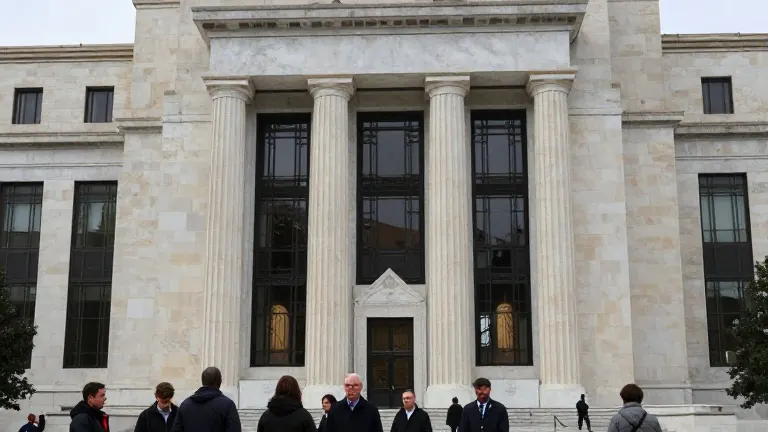
Federal Reserve officials are set to conclude their Oct. 27-28 meeting Wednesday with the benchmark interest rate expected to stay near 3.9%. Chairman Kevin Warsh leads his fourth gathering since taking the post earlier this year, appointed by President Donald Trump. The decision arrives six days before midterm elections where voters are weighing gas, grocery and borrowing costs.
Wall Street investors had anticipated a quarter-point increase to about 4.1% after inflation ran hotter than forecast last month. Several senior rate-setting committee officials have since spoken against a hike in October, and futures prices now show almost no chance of an increase. Joseph LaVorgna, chief economist at SMBC Americas, said the central bank will hold back ahead of the vote. "The Fed doesn't want to poke the White House in the eye six days before an election," LaVorgna said.
The average 30-year mortgage rate reached 7.4% earlier this October, the highest reading in three years, before easing to 7.32% last week. A year earlier, that rate sat just under 6.2%. Oxford Economics estimates the run-up this year has put home purchasing out of reach for 5 million additional households.
Philip Jefferson, vice chair of the Fed's board of governors, said that longer-term market rates have climbed and added, "my colleagues and I will need to come to our own judgment, which may take more time." Warsh has said he dislikes forward guidance, the clear signals previous chairs offered about future moves. Aditya Bhave, head of U.S. economics research at Bank of America, questioned whether Warsh approved the recent remarks from officials. "Either he blessed this message from them and he was on board, in which case, one would have to question the credibility of this idea that that he doesn't like forward guidance," Bhave said. "But the other possibility is that he wasn't on board."
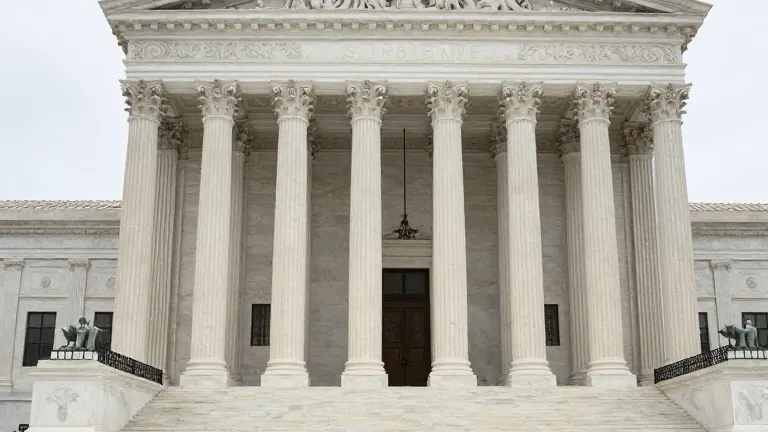
At the September session, Warsh voted to raise rates, setting aside questions about his independence from the president who selected him. Trump said before choosing Warsh in January that he wanted a chair who would cut rates. James Knightley, chief international economist for ING, said September's increase eased those worries. "So far I think the markets have been encouraged by what they've seen," Knightley said. Trump has since renewed efforts to remove Fed governor Lisa Cook, and the Supreme Court blocked an earlier attempt to remove her in June. Derek Tang, an economist at Monetary Policy Analytics, said, "I think there is still a question mark there" regarding the chairman's independence.
Inflation has exceeded expectations two months in a row. Diesel fuel hit an all-time high of $6.53 in late September and has only fallen to $6.35 since. Bhave noted the rate has not met the Fed's 2% annual target for a calendar quarter since the last three months of 2020.
The September vote to raise rates passed without dissent. Beth Hammack, president of the Federal Reserve Bank of Cleveland, and Lorie Logan, president of the Dallas Fed, are seen as the most likely to back a higher rate this week. Both have said the key rate is not high enough to slow the economy and cool prices.
Source: The Aegis · original report published
More News · Baltimore news · Report a business · Got a Story?