3.7% Inflation Meets a Fed Meeting Days Before Midterms
Fed funds futures show less than a 10% chance of a quarter-point increase at the October meeting.
By Louis Bennett ·
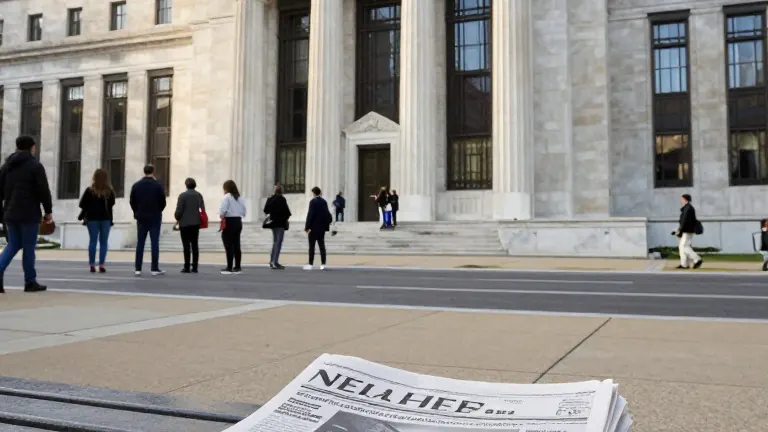
The Federal Reserve is expected to hold its benchmark rate steady this week.
Annual inflation reached 3.7% in September, according to consumer price index data. Brent crude traded at a five-month high on Friday before easing slightly. The rise in oil prices followed the U.S. war with Iran and pushed the producer price index higher in September.
The central bank raised its rate by 25 basis points to a range of 3.75% to 4% last month. That was the first increase since 2023. Fed funds futures priced less than a 10% chance of another quarter-point increase at the meeting, per CME Group's FedWatch tool. Nearly 75% of contracts expect at least one increase by year-end.
Heather Long, chief economist at Navy Federal Credit Union, said inflation remains the top issue. "Inflation is still the No. 1 problem in the U.S. economy, and there are a lot of signs it is getting more broad-based," Long said. "For consumers, it means really high borrowing costs for the foreseeable future." Long also said, "given that it's right before an election," that the Fed "won't hike in October."
The meeting lands days before the midterm elections. Mark Shore, director and economist at CME Group, said the four times the Fed raised rates near a midterm, in 1978, 1982, 2018 and 2022, those moves were tied to rising inflation. Fed Chairman Kevin Warsh has said he is committed to bringing inflation to the 2% target. Aditya Bhave, an economist at Bank of America, wrote in an Oct. 23 research note that "given that it's right before an election," a hold could raise questions about the Fed's inflation-fighting credibility. Mark Zandi, chief economist at Moody's, said "higher longer-term rates are doing more damage to consumer wallets, as they've risen more than short-term rates, and are weighing heavily on refinancing activity, homebuying and vehicle sales."
Credit cards carry variable rates that follow the federal funds rate, so card rates would stay near current levels if the Fed holds. LendingTree put the average rate on a new card offer at 23.96%. The 10-year Treasury yield has been near 5%, keeping the average 30-year fixed mortgage rate close to 7.4%, according to Mortgage News Daily. Auto loan rates reflect the benchmark rate along with other factors. Edmunds said buyers are taking larger loans and longer terms. Federal student loan rates are fixed for the life of the loan, though new borrower rates rose this academic year after the May 10-year Treasury auction. High-yield savings and deposit yields stay tied to the federal funds rate.
Source: CNBC