Aldi Expansion Pushes Maryland Grocers Toward Lower Prices
The German discounter plans more than 3,000 U.S. locations by the end of 2028, a footprint that would trail only Walmart.
By Mason Reed ·
Aldi is on track to operate more than 3,000 American stores by the close of 2028, according to a Bloomberg report cited by food reporter Deena Shanker. That total would place the German grocer behind only Walmart in U.S. store count. Aldi booked roughly $29 billion in U.S. sales in 2024, a figure above Trader Joe's for the same year.
Shanker said months of comparison shopping showed Aldi matching Walmart's prices or coming in slightly cheaper on comparable baskets. Rivals have responded: Wegmans and Kroger have each announced price cuts of their own. An analysis published in late 2023 tracking Lidl, a German discount chain running a similar model with fewer U.S. stores, found grocers trimmed markups by about 7 percent in areas where Lidl opened.
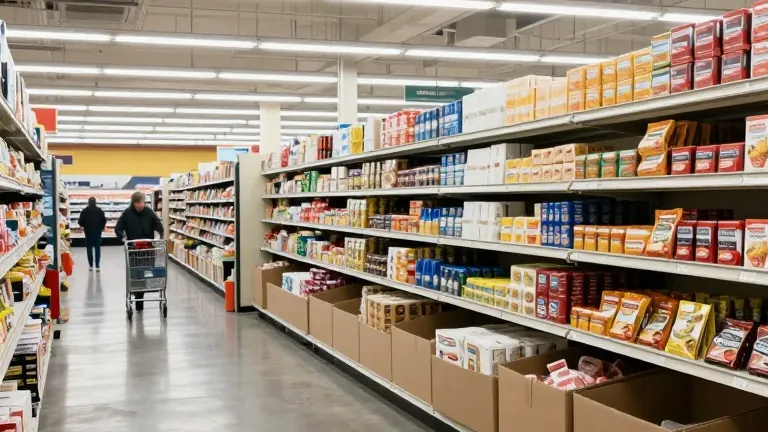
Aldi keeps costs down by stocking more than 80 percent store-brand products, including Benton's Chocolate Sandwich Cookies with Vanilla Filling and Savoritz Golden Round crackers. Because the company makes these items itself, it avoids paying a name-brand markup before adding its own. The Albrecht brothers took over the family grocery business in 1946 with limited funds, a constraint that shaped the assortment they carried: one version of each staple, purchased in volume. Restricting the shelf keeps spoilage, storage and rent costs low.
Store design follows the same arithmetic. There is no in-store music, which avoids speaker and licensing costs. Employees stock goods in the cardboard cases they arrived in, cutting the labor that unpacking would require. Aldi places locations near competing supermarkets so shoppers can complete the rest of a shopping list next door.
Walmart and Costco also build their pricing on scale, operating large stores and warehouses that lower what they pay for items like Oreo cookies and baby carrots. Aldi's approach differs in a second way: it was founded 80 years ago in post-war Germany and runs conventional stores, not automated facilities. The chain's middle aisle carries rotating merchandise such as toys, German spätzle and advent calendars holding 24 cheeses, and U.S. stores now carry Honeycrisp apples and higher-priced wines alongside staples.
Aldi's low prices drew traffic during the Great Recession and during the inflation that followed the pandemic. Food prices rose across the period, and Americans spent a growing share of income on groceries after decades of decline from 1960 to 2019.
Source: WYPR · original report published
More Business · Baltimore news · Consumer Alerts · Report a business