US tariffs on China rise to 20%, with potential for 40% if talks fail
Beijing warns the new Section 301 measures could trigger long-term inflation risks and disrupt global supply chains.
By Louis Bennett ·
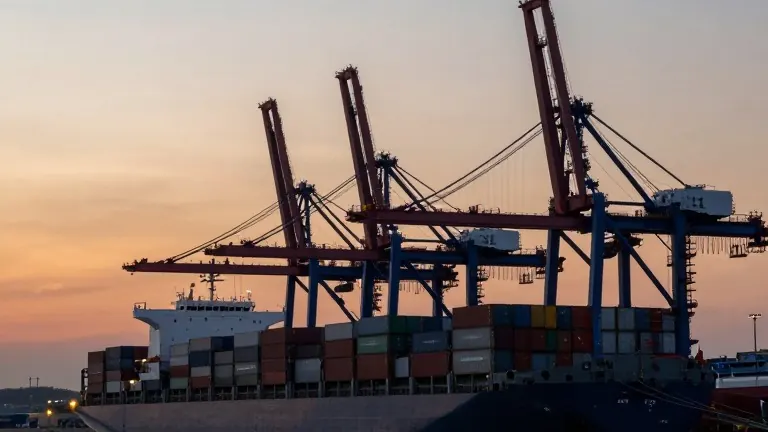
Washington announced new tariffs on fourteen economies on Wednesday, including China, the European Union, and Japan. For China, the proposed rates increase certain duties from 12.5% to 20%. If commercial negotiations fail, the rates could rise to 40%.
He Yadong, spokesperson for China’s Ministry of Commerce, said the U.S. investigation under Section 301 of the Trade Act is a “typical act of unilateralism.” He stated that the move “seriously violates the rules of the World Trade Organization.”
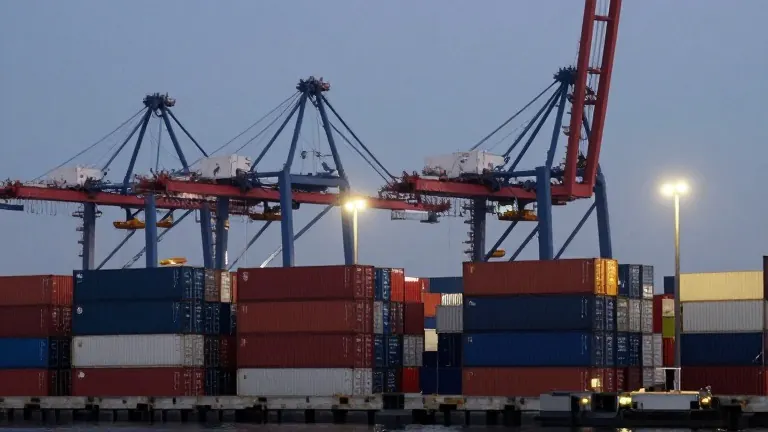
The Chinese government rejected U.S. claims of industrial “overcapacity.” He Yadong called the argument a “pretext” for protectionist policies that politicize normal market competition. He warned these practices could alter the security and stability of global industrial and supply chains.
He stated that the new measures would “generate systemic long-term risks for the growth of the world economy.” He added that the changes could raise global inflation levels and harm the interests of businesses and consumers.
The two countries currently operate under a bilateral trade truce that expires on January 10. He Yadong said economic teams from both nations maintain “close communication” about extending this pause. He noted that a prolongation would provide a “relatively stable and predictable” environment for companies.
The new tariffs exclude products covered by a previous agreement on reciprocal tariff reductions. That agreement involves roughly $30 billion per side. He Yadong urged Washington to accelerate internal procedures to apply that deal as soon as possible.
Guo Jiakun, spokesperson for the Chinese Foreign Ministry, called the U.S. “overcapacity” claim a “false problem.” She accused Washington of using it as a pretext for political manipulation. Both sides are expected to meet again in December at the G20 summit in Miami, following their recent meeting in Shenzhen during the APEC summit.
More Business · Baltimore news · Consumer Alerts · Report a business · Got a Story?