Tucson water auditors cut customer usage by 25% in annual visits
Six specialists called zanjeros conduct free home inspections to identify leaks and fix irrigation systems as regional water supplies dwindle.
By Mason Reed ·
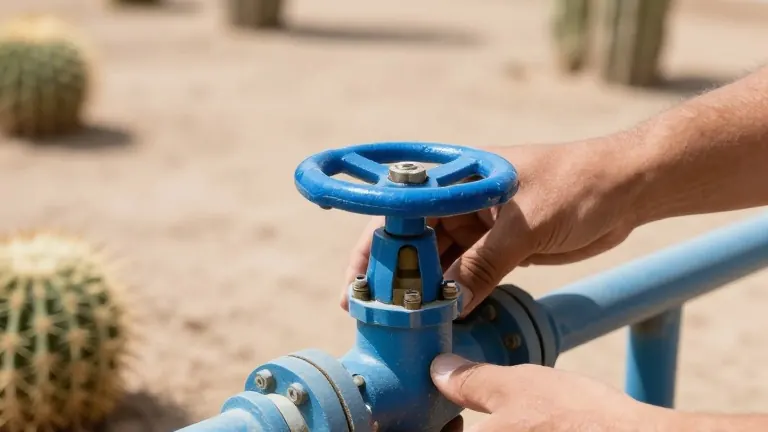
Tucson Water auditors have identified waste in more than 2,000 homes through a free inspection program that cuts average water usage by 25 percent the following year. The city’s six zanjeros, a Spanish term for ditch riders, spend their days fixing leaking toilets and adjusting irrigation timers to help residents lower their bills.
Frank Bencomo, a 61-year-old specialist, inspected a home near a local high school on a recent morning. The resident, a disabled Vietnam War veteran raising two grandchildren, faced a water bill exceeding $100. Bencomo checked the pipes, adjusted a loose valve, and taught the 11-year-old grandson how to fix a hissing toilet. The veteran’s household had struggled with water costs, mirroring Bencomo’s own childhood in the city.
Tucson has reduced per-person water use by nearly one-third over the past 25 years. Candice Rupprecht, conservation manager for Tucson Water, estimates the program saved 1.9 billion gallons since 2009. That volume is enough to supply roughly 15,000 average U.S. households for a year. She said these savings helped residents avoid a 12 percent increase in water bills and postponed costly infrastructure expansions.
Other Western cities are expanding similar audits. Phoenix modeled its program after Tucson’s approach. The Eastern Municipal Water District, which serves nearly 1 million people in Southern California, reported a four-fold surge in consultation requests this year. Aurora, Colorado, matched its 2025 record for summer outdoor water assessments in 2024.
Later in the day, Bencomo visited a sprawling property where owners received a $5,000 water bill. He found the drip irrigation system ran five hours daily, seven days a week, using nearly 1,200 gallons each morning even after rain. He recommended moving emitters away from tree trunks and installing a rain sensor. Phillip DeLeon, who helps oversee the home for his 90-year-old mother, said the audit provided practical ways to reduce overwatering.
Tucson relies on a mix of surface and groundwater. Rupprecht said the city has enough groundwater for roughly 50 years at current consumption rates. An impending reduction of up to 20 percent in the city’s Colorado River supply looms. Bencomo studied meter reading and native plant selection before his first audit. He has documented his work in notebooks and aims to stretch finite supplies for future generations.
Lindsay Rogers, policy manager at Western Resource Advocates, said conservation is the cheapest and fastest source of new supply for communities. Ron Burke, president of the Alliance for Water Efficiency, noted that utilities depend on ratepayers to fund these programs while specialists train in plumbing and irrigation. Bencomo hopes to spread the ethic of wise water use across the region.
More News · Baltimore news · Report a business · Got a Story?