Lebanese family returns to burned home in Zawtar al-Gharbiyeh
Residents face missing utilities and damaged property as Israeli forces withdraw under a new withdrawal plan.
By Mason Reed ·
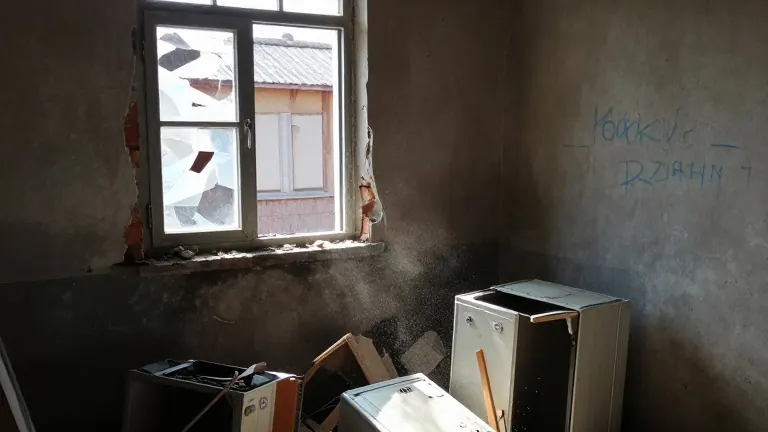
Residents of Zawtar al-Gharbiyeh in southern Lebanon are returning to homes they left during the conflict. The village became the first test site for a U.S.-brokered plan that allows Israeli forces to pull out and the Lebanese army to take over the area. Many families find their homes damaged or destroyed.
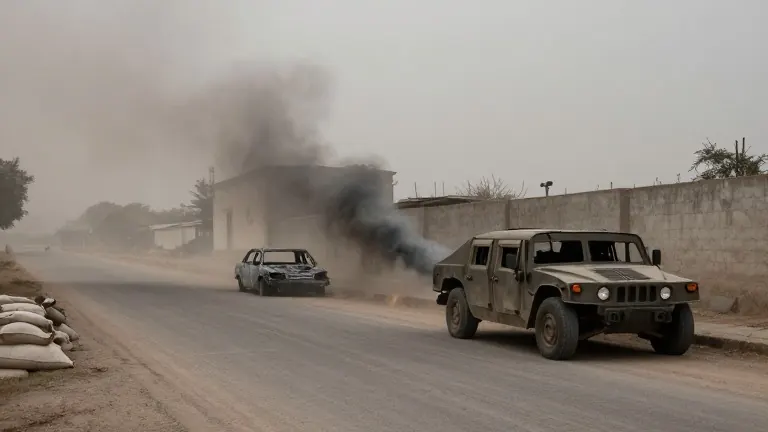
The plan aims to keep Iran-backed Hezbollah out of the zone. Tensions rose after Hezbollah began firing rockets across the border in October 2023. Israel responded with air strikes and a ground invasion. A ceasefire was reached this year, but Israeli forces have continued attacks in south Lebanon to eliminate threats.
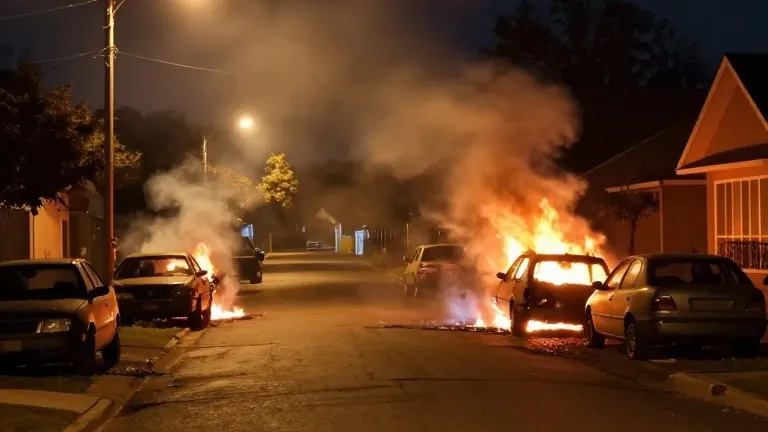
Atef Kadouh and his wife, Soumaya Yaghi, returned to the village in July. They had lived in their house for 40 years after Kadouh saved money working in Saudi Arabia. When they arrived, they found Israeli soldiers had occupied the home. The soldiers then set the house on fire.
Kadouh’s youngest son, Adel, died on March 28. He was a 27-year-old sports teacher volunteering as an ambulance driver. Israeli forces killed him and four other medics in a drone strike. The group was burying a 75-year-old man who had died in a hospital. The Lebanese Health Ministry says Israel has killed more than 135 first responders and medical staff in the past two years.
Inside the home, bullet holes marred appliances like the fridge and freezer. Furniture lay smashed on the ground below the second floor balcony. Blue marker writing in Hebrew listed the names of Israeli soldiers on the hallway wall. The kitchen had shattered floor tiles and cupboards wrenched from the walls. Blackened food packets and rotting sandwiches lay on the floor.
The family’s 18-month-old grandson’s room had soot dripping from a scorched ceiling. Yaghi found a spent propulsion unit with English markings in one room. The house has no running water or electricity because the military destroyed the solar panels. The Lebanese army said it dismantled explosives left by Israeli forces in the house.
The army used a bulldozer to uproot the family’s trees, including pine trees that yield pine nuts. They demolished the garage and destroyed the tractor. Kadouh says the destruction of the trees hurts the most. They had cultivated the land for decades, growing tobacco, fruit, and vegetables.
Kadouh says the Lebanese state did not send soldiers to protect them while they were away. He notes that the Lebanese army is deliberately underequipped to avoid threatening Israel. "This army has a rifle, Israel has an F-35," he says. The family feels abandoned by their own government and the political parties.
Smoke still rises from a nearby village where Israel continues to attack. Kadouh says peace with Israel may not happen in his lifetime. He points to the rose bushes that have begun to bloom again. "Our life is this land," Yaghi says. "Our life is our homes. Even if we were to die in our homes it would be much better than to live outside."
The family plans to rebuild from scratch. They lack essential utilities and face ongoing danger from nearby forces. Kadouh says he would rather sit in the dirt of his hometown than live elsewhere. "I was born here," he says.
More World · Baltimore news · Report a business · Got a Story?