
Craisins cycle through 12 inches of soda in a simple holiday demo
Bubbles of carbon dioxide lift dried cranberries to the surface of sparkling water, creating a repeating motion that continues until the fruit becomes saturated.
By Kavya Sharma ·
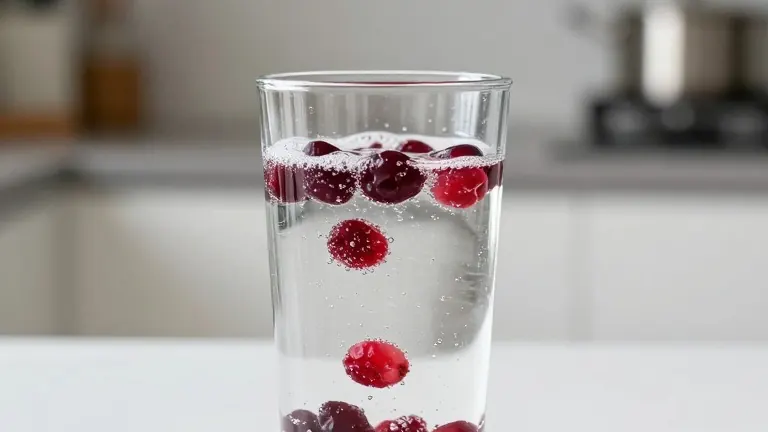
Baltimore County residents can observe a simple physics phenomenon at the Thanksgiving table by combining dried cranberries with sparkling water. The exercise requires only a glass, a clear carbonated beverage, and the fruit, which is commonly referred to as craisins.
When the dried cranberries are added to the liquid, they initially sink to the bottom of the glass. Carbon dioxide dissolved in the water attaches to the surface of the fruit. As bubbles accumulate, the volume of the cranberry increases without a proportional rise in mass.
This change increases the buoyancy of the fruit, causing it to rise to the surface. Upon reaching the top, the bubbles pop and release the carbon dioxide gas. The loss of bubbles reduces the volume, and the cranberry sinks back to the bottom of the glass.
The process repeats itself as long as sufficient carbon dioxide remains in the liquid and the fruit does not become overly waterlogged. The cycle creates a continuous up-and-down motion within the container.
The demonstration uses dried cranberries rather than the canned sauce, which is reserved for other uses. The clear nature of the sparkling water or pop allows observers to see the bubbles forming on the fruit. The activity serves as a tangible example of how gas attachment alters the density and buoyancy of solid objects in a liquid environment.
More Culture · Baltimore news · Report a business · Got a Story?