Army confirms lead azide detonation; EPA releases zero-lead findings
More than 1,500 samples were collected, but elected officials question why warnings reached the public only days before the blast.
By Louis Bennett ·
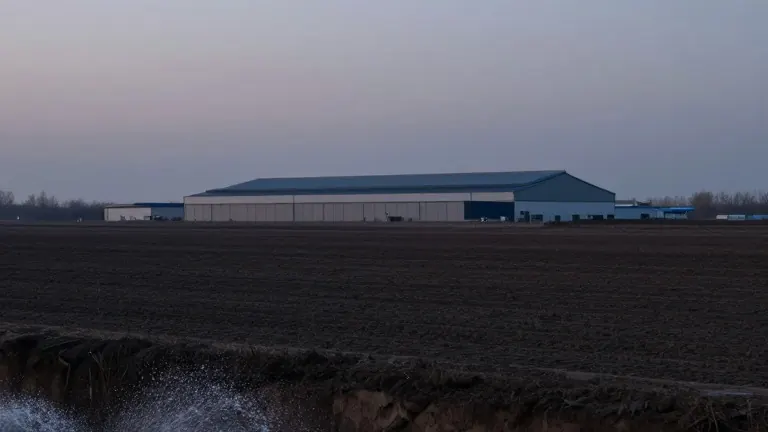
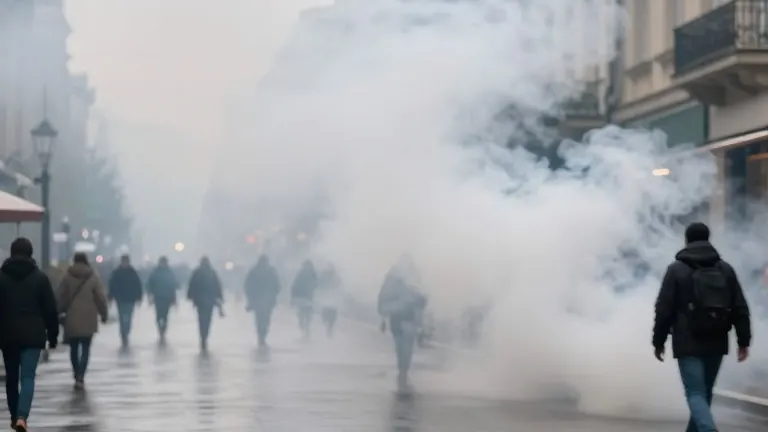
The U.S. Army declared the controlled detonation of its lead azide stockpile a success, confirming that no airborne lead has been detected in the region since the explosion on Wednesday. The U.S. Environmental Protection Agency announced that approximately 300 personnel spent Thursday sampling schools, playgrounds, churches, and homes across the area. Preliminary results from these tests are expected to be released as early as Friday night.
Before the detonation, the EPA collected more than 1,500 samples of air, water, soil, and dust. Following the blast, hundreds of additional samples were taken from homes, parks, and drinking water sources. The agency reported that readings remained at zero for airborne lead in the days leading up to the event, a figure officials described as reassuring despite ongoing debates about public notification.
Criticism has focused on how and when the federal government shared its plans. A notice indicating that plant managers intended to neutralize the stockpile was posted on a government website last fall. Growing concerns led to a publicized plant closure in March, followed by a public meeting in October where officials warned that the chemicals needed to be detonated soon. Residents in Middletown, the town where the stockpile was held, were aware of the plans, but many others learned of the details only days before the scheduled date.
Middletown Mayor Rodney Johnson stated that local leaders were briefed in March. He said the plant commander showed him photos of the bunkers where 68 barrels had been stored since being transferred there nearly two decades ago. An Army working group formed in January spent months planning, leading to an October meeting attended by about 200 residents. Experts at that meeting explained the urgency of detonating the material to prevent a chain reaction of unintended explosions.
The Army submitted an application to the EPA in late October, receiving approval within roughly two weeks. The document outlined alternatives, environmental sampling, and community engagement strategies. Johnson said he believed the Army fulfilled its duties, noting that negative social media and unconfirmed theories complicated the situation. He added that Middletown residents were fearful during the period when a legal challenge delayed the original November 20 detonation date.
Democratic Gov.-elect Rob Sand called for an investigation into why the lead azide reached a precarious state. He described the lead-up to the detonation as chaotic and unclear. Josh Turek, a Democratic state lawmaker recently elected to Iowa’s U.S. Senate seat, called the failure of communication inexcusable, stating that it left many residents feeling confused and scared. U.S. Sen. Joni Ernst, a Republican, noted that while the Army discussed disposal with some communities months ago, critical details about the plume’s reach were missing from those conversations.
U.S. Sen. Chuck Grassley, another Iowa Republican, said his office had contacted federal officials since March. He acknowledged that the October 15 town hall was well attended but stated it was clear that effort was not enough. He vowed to press for answers regarding the Army’s decision-making process. Court documents indicate that much of the stockpile was transferred to the Iowa plant in 2009. Contractors inspected the barrels for years, replenishing the water-ethanol solution that kept the material stable until September 2025, when plant operator American Ordnance first provided notice that the lead azide needed to be neutralized.
More News · Baltimore news · Report a business · Got a Story?