90 Years of Boardwalk and Baltic: Hasbro Marks Monopoly Milestone
The board game manufacturer cited player traditions and standardized rules as the reasons the title remains a staple of American culture.
By Kavya Sharma ·
Hasbro, the current owner of Monopoly, marked the game's 90th anniversary by acknowledging its deep roots in American history and its role in shaping modern board game culture. The company released a statement recognizing the title as a cultural phenomenon that has persisted for nearly a century.
Brian Baker, an executive at Hasbro, described the game as something that transcends generations and resonates with players worldwide. He noted that the anniversary celebrates the specific elements of the game that players have enjoyed since its inception.
The modern version of Monopoly traces its commercial origins to 1935, when Parker Brothers launched the title during the Great Depression. Philip Orbanes, a former Parker Brothers executive and author of the book “Monopoly: The World’s Most Famous Game and How It Got That Way,” explained that the company did not invent the game but purchased the rights to it. Parker Brothers acquired the rights to Charles Darrow’s version and its predecessor, Elizabeth Magie’s Landlord’s Game.
Orbanes credited Parker Brothers with standardizing the gameplay. The company rewrote the rules so that consumers across the country played the same version, regardless of local variations. A British game maker assisted in ensuring that this standardization extended to international editions. This uniformity allowed the game to become a shared language among players from different regions.
Despite the official rules, personal house rules remain a common part of the experience. Instructions for several editions advise against using them to keep games short and sweet, yet many players still modify the standard gameplay. Hasbro recognizes that these fan-created rules are an integral part of how many people engage with the game.
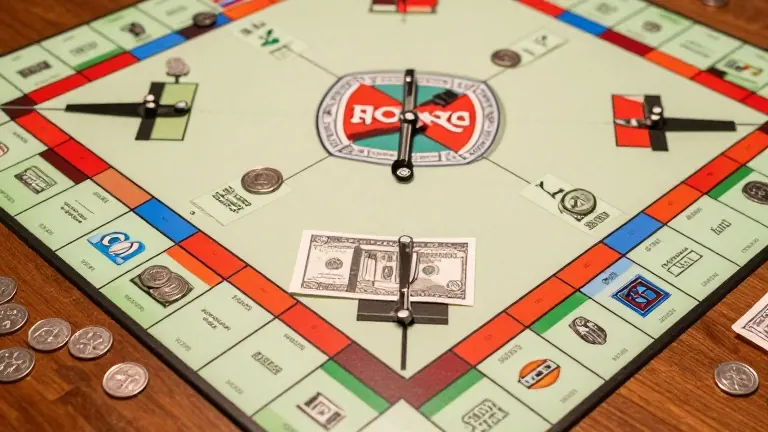
Some of these unofficial modifications have even influenced official variations of the title. The game continues to use iconic components, including colorful paper money and metal tokens, which contribute to its recognizable identity. Players interact with properties such as Boardwalk, Baltic Avenue, and Marvin Gardens, collecting $200 when they pass Go.
The title remains a fixture in American households and a symbol that reflects aspects of capitalism and the American dream. It serves as a shared reservoir of enjoyment and experience for players globally, maintaining its status as a game-night staple despite its reputation for long and competitive sessions.
More Culture · Baltimore news · Report a business · Got a Story?